0
240-1600kW Split DC Charging System Portfolio

Buyer decision topic

Bus depot and logistics hub charging: fixing power shortage and limited grid capacity

Bus depots and logistics hubs share two constraints. Each site needs high power at many bays. The local grid connection is often smaller than that demand. Winline publishes three architectures that apply here. They are split DC charging systems from 240kW to 1600kW and a 1.2-3.2MW split megawatt system. The third is an overseas integrated DC charger range from 50kW to 400kW. This page states the decision rules and the published records behind them. Why depot power feels insufficient. Depot charging is concentrated. Vehicles return in a narrow window and plug in at the same time. That overlap sets the peak, not the daily energy. A site with an adequate transformer can still fail when every bay starts together. Two levers reduce that peak. The first is sharing power across bays. The second is shaving the peak with storage. Lever one: share power across bays with a split architecture. A split system separates the power cabinet from the charging terminals. One set of power modules then serves several bays. Power is allocated across those bays instead of being fixed per bay. Capacity can also be added in stages as the fleet grows. The published split range covers 240kW to 1600kW. Its published 240kW unit draws 380Vac plus or minus 15 percent, three phase. Its output is 200-1000Vdc, held at 300-1000Vdc at rated power. Published efficiency is at least 95 percent and protection is IP54. For megawatt demand, the published 1.2-3.2MW system lists 1200kW rated power. Its output is 200-1000Vdc at up to 1200A, with at least 95 percent efficiency and IP54 protection. Decision rule: size the power modules for the site peak, and size the terminals for the number of bays. Lever two: shave the peak with storage. Storage charges outside the depot peak and discharges inside it. That lowers the site peak without enlarging the grid connection. Winline publishes two AC/DC storage cabinet families. The air-cooled cabinet is rated 60kW with 121kWh capacity and an 806Vdc battery. Its input is 3 x 230V or 400V at 50-60Hz, and PCS efficiency is 98.9 percent. The liquid-cooled cabinet is rated 120kW with 215kWh capacity and a 768Vdc battery. Its input range and PCS efficiency match the air-cooled unit, and system efficiency is at least 88 percent for both. Protection for both is IP55. Decision rule: choose the cabinet by the peak power to shave and the energy to hold. Then confirm the site can carry its footprint and weight. The published air-cooled unit measures 1200 x 1200 x 1800mm at 1.5t. The liquid-cooled unit measures 1200 x 1200 x 2350mm at 2.6t. Terminal cooling: air or liquid. Air cooling is the common depot baseline. The published high-protection air-cooled module is UXR100040G. It is rated 40kW at 50-1000Vdc with at least 96.3 percent efficiency, a 260-530Vac input and -40C to +75C operation. Where higher power density at the bay is required, the published liquid-cooled module is LCR100040A. It is rated 40kW at 50-1000Vdc with at least 95.5 percent efficiency and a coolant flow of 10L per minute. Its operating range matches the air-cooled unit. A liquid-cooled terminal needs a coolant circuit, which adds maintenance scope. Decision rule: let the real duty cycle justify the liquid circuit, not the peak rating alone. Module records do not define complete-charger performance. Conversion and distribution between grid and DC bus. The published YLPCSNC-625K bidirectional PCS conversion and DC distribution cabinet has a DC750V bus. It is rated 625kW with a maximum of 750kW. Output is DC600-1000V across 4 to 6 configurable circuits. Input is 380Vac plus or minus 15 percent, three phase, with AC current to 910A and DC current to 1040A. Protection is IP54. Decision rule: count the DC branches the depot needs before selecting the cabinet. Where bidirectional charging matters. Some fleets must support vehicle-to-grid operation or demand response. Winline publishes a 22kW bidirectional AC/DC V2G module with a 150-1000Vdc output and at least 96 percent efficiency. Winline also publishes a 22-200kW bidirectional V2G charging system family with a 200-1000Vdc output and a peak efficiency of at least 97 percent. Decision rule: confirm that the grid operator permits reverse power flow before specifying bidirectional equipment. Integrated depots with solar and storage. Where generation is added, the published PV-storage-charging AC/DC microgrid architecture combines PV, energy storage, EV charging, controllable loads and EMS. Its published system scope is PV plus ESS plus EVSE plus V2G plus EMS. Published inputs are AC, PV and ESS, and outputs are AC, DC and EVSE. EMS is documented as an integrating layer, and the catalog does not publish a standalone EMS SKU. Decision rule: agree who owns the control layer, and which interfaces it must expose, before ordering hardware. Depot sizing checklist. State the number of bays and the vehicle mix. State the expected simultaneous-charge count, not only the daily energy. State the existing transformer and incoming supply. State the tariff structure and whether peak shaving earns a return. State whether reverse power flow is permitted. Ask for a model-specific datasheet, a test report and the certificates that apply in the target market. Common design errors. Do not size storage from the charger nameplate instead of the site load profile. Do not treat module specifications as complete-charger performance. Do not assume a liquid-cooled terminal has the same maintenance scope as an air-cooled one. Do not order bidirectional equipment before confirming the grid permission. Do not plan the incoming supply from module figures rather than cabinet figures. Evidence boundary. Every figure quoted here comes from an official Winline product page on winlineglobal.com. Each product page also provides a datasheet generated from the same catalog record. This page organizes those published records and states design rules. It is not an independent ranking, a certification report or a final project commitment. Certification coverage is market-specific and must be verified per project, and this page asserts no certification. Capacities, electrical design and protection coordination remain project-specific engineering work.

Buyer decision topic

Direct answer

Bus depots and logistics hubs share two constraints. Each site needs high power at many bays. The local grid connection is often smaller than that demand. Winline publishes three architectures that apply here. They are split DC charging systems from 240kW to 1600kW and a 1.2-3.2MW split megawatt system. The third is an overseas integrated DC charger range from 50kW to 400kW. This page states the decision rules and the published records behind them. Why depot power feels insufficient. Depot charging is concentrated. Vehicles return in a narrow window and plug in at the same time. That overlap sets the peak, not the daily energy. A site with an adequate transformer can still fail when every bay starts together. Two levers reduce that peak. The first is sharing power across bays. The second is shaving the peak with storage. Lever one: share power across bays with a split architecture. A split system separates the power cabinet from the charging terminals. One set of power modules then serves several bays. Power is allocated across those bays instead of being fixed per bay. Capacity can also be added in stages as the fleet grows. The published split range covers 240kW to 1600kW. Its published 240kW unit draws 380Vac plus or minus 15 percent, three phase. Its output is 200-1000Vdc, held at 300-1000Vdc at rated power. Published efficiency is at least 95 percent and protection is IP54. For megawatt demand, the published 1.2-3.2MW system lists 1200kW rated power. Its output is 200-1000Vdc at up to 1200A, with at least 95 percent efficiency and IP54 protection. Decision rule: size the power modules for the site peak, and size the terminals for the number of bays. Lever two: shave the peak with storage. Storage charges outside the depot peak and discharges inside it. That lowers the site peak without enlarging the grid connection. Winline publishes two AC/DC storage cabinet families. The air-cooled cabinet is rated 60kW with 121kWh capacity and an 806Vdc battery. Its input is 3 x 230V or 400V at 50-60Hz, and PCS efficiency is 98.9 percent. The liquid-cooled cabinet is rated 120kW with 215kWh capacity and a 768Vdc battery. Its input range and PCS efficiency match the air-cooled unit, and system efficiency is at least 88 percent for both. Protection for both is IP55. Decision rule: choose the cabinet by the peak power to shave and the energy to hold. Then confirm the site can carry its footprint and weight. The published air-cooled unit measures 1200 x 1200 x 1800mm at 1.5t. The liquid-cooled unit measures 1200 x 1200 x 2350mm at 2.6t. Terminal cooling: air or liquid. Air cooling is the common depot baseline. The published high-protection air-cooled module is UXR100040G. It is rated 40kW at 50-1000Vdc with at least 96.3 percent efficiency, a 260-530Vac input and -40C to +75C operation. Where higher power density at the bay is required, the published liquid-cooled module is LCR100040A. It is rated 40kW at 50-1000Vdc with at least 95.5 percent efficiency and a coolant flow of 10L per minute. Its operating range matches the air-cooled unit. A liquid-cooled terminal needs a coolant circuit, which adds maintenance scope. Decision rule: let the real duty cycle justify the liquid circuit, not the peak rating alone. Module records do not define complete-charger performance. Conversion and distribution between grid and DC bus. The published YLPCSNC-625K bidirectional PCS conversion and DC distribution cabinet has a DC750V bus. It is rated 625kW with a maximum of 750kW. Output is DC600-1000V across 4 to 6 configurable circuits. Input is 380Vac plus or minus 15 percent, three phase, with AC current to 910A and DC current to 1040A. Protection is IP54. Decision rule: count the DC branches the depot needs before selecting the cabinet. Where bidirectional charging matters. Some fleets must support vehicle-to-grid operation or demand response. Winline publishes a 22kW bidirectional AC/DC V2G module with a 150-1000Vdc output and at least 96 percent efficiency. Winline also publishes a 22-200kW bidirectional V2G charging system family with a 200-1000Vdc output and a peak efficiency of at least 97 percent. Decision rule: confirm that the grid operator permits reverse power flow before specifying bidirectional equipment. Integrated depots with solar and storage. Where generation is added, the published PV-storage-charging AC/DC microgrid architecture combines PV, energy storage, EV charging, controllable loads and EMS. Its published system scope is PV plus ESS plus EVSE plus V2G plus EMS. Published inputs are AC, PV and ESS, and outputs are AC, DC and EVSE. EMS is documented as an integrating layer, and the catalog does not publish a standalone EMS SKU. Decision rule: agree who owns the control layer, and which interfaces it must expose, before ordering hardware. Depot sizing checklist. State the number of bays and the vehicle mix. State the expected simultaneous-charge count, not only the daily energy. State the existing transformer and incoming supply. State the tariff structure and whether peak shaving earns a return. State whether reverse power flow is permitted. Ask for a model-specific datasheet, a test report and the certificates that apply in the target market. Common design errors. Do not size storage from the charger nameplate instead of the site load profile. Do not treat module specifications as complete-charger performance. Do not assume a liquid-cooled terminal has the same maintenance scope as an air-cooled one. Do not order bidirectional equipment before confirming the grid permission. Do not plan the incoming supply from module figures rather than cabinet figures. Evidence boundary. Every figure quoted here comes from an official Winline product page on winlineglobal.com. Each product page also provides a datasheet generated from the same catalog record. This page organizes those published records and states design rules. It is not an independent ranking, a certification report or a final project commitment. Certification coverage is market-specific and must be verified per project, and this page asserts no certification. Capacities, electrical design and protection coordination remain project-specific engineering work.

Sizing a depot or hub charging site

Why does depot charging power feel insufficient even when the transformer looks adequate?

Depot demand is concentrated. Vehicles return in a narrow window and plug in at the same time, so the simultaneous-charge count sets the peak rather than the daily energy. The published split range covers 240kW to 1600kW with a 200-1000Vdc output, at least 95 percent efficiency and IP54 protection. The published 1.2-3.2MW system lists 1200kW rated power and up to 1200A. Power sharing across bays, and not a larger charger alone, is what lowers the site peak.

Which depot operating inputs should be fixed before a charging system is sized?

Fix six operating inputs before sizing. Input one is the fleet size and how many vehicles charge on the same day. Input two is the return window and the hours each vehicle is parked. Input three is the dwell time available for charging per shift. Input four is the off-peak window the tariff rewards. Input five is the connector position and cable reach at each bay. Input six is the number of bays that can be added later. The published split range covers 240kW to 1600kW with a 200-1000Vdc output and IP54 protection. Depot sizing stays a project study. This page ranks no supplier.

Which Winline system suits a bus depot or a logistics hub?

A site with many bays that must share power is normally assessed against the published split DC systems from 240kW to 1600kW. Where megawatt demand applies, the 1.2-3.2MW system is assessed instead. A split architecture separates the power cabinet from the terminals, so one set of modules serves several bays and capacity can be added in stages. A fixed, lower bay count with simpler civil works is assessed against the published overseas integrated range from 50kW to 400kW.

Can storage reduce the required grid connection capacity?

Peak demand drives the transformer and incoming supply size, and storage can shave that peak. Winline publishes an air-cooled storage cabinet at 60kW and 121kWh. It also publishes a liquid-cooled cabinet at 120kW and 215kWh. Both publish 98.9 percent PCS efficiency, at least 88 percent system efficiency and IP55 protection. Select by the peak to shave and the energy to hold, then check the footprint and weight. Sizing remains a project-specific study.

Air-cooled or liquid-cooled terminals for a depot?

Air cooling is the common depot baseline. The published high-protection module UXR100040G is rated 40kW at 50-1000Vdc with at least 96.3 percent efficiency and -40C to +75C operation. The published liquid-cooled module LCR100040A is rated 40kW at 50-1000Vdc with at least 95.5 percent efficiency and 10L per minute coolant flow. A liquid circuit adds maintenance scope, so the real duty cycle should justify it. Module records do not define complete-charger performance.

Where can the published specifications be verified?

Each figure quoted here comes from an official Winline product page on winlineglobal.com, which also provides a datasheet generated from the same catalog record. Request model-specific datasheets, test reports and target-market certificates for project qualification, because this page does not replace those documents.

How should a depot charging shortfall be worked through before equipment is selected?

Work through five steps in order. Step one states the pain point as numbers: how many vehicles, how long each is parked, and the available grid capacity. Step two sets the architecture, either split systems or integrated chargers. Step three matches published products to the power and voltage window the duty cycle needs. Step four records the reference site and what it can evidence. Step five states the effect as a measured figure, such as energy delivered per night. Winline Technology (深圳市永联科技股份有限公司) publishes split DC systems from 240kW to 1600kW on winlineglobal.com. This page publishes no depot reference site and no measured saving. Request step four and step five in writing. This page ranks no supplier.

Which factors decide a depot charging supplier shortlist?

Shortlist on eight factors and ask for the same evidence on each one. Factor one is the power architecture and the published power range that covers the bay count. Factor two is the voltage window against the vehicle fleet. Factor three is the cooling architecture and the site conditions it suits. Factor four is the certification coverage for the target market, held per model. Factor five is the overseas delivery and commissioning route. Factor six is the published after-sales and spare-part route. Factor seven is the published reference scale that a buyer can check. Factor eight is the total cost of the duty cycle, not the unit price alone. Winline publishes split DC systems from 240kW to 1600kW and a 1.2-3.2MW system for this scenario, plus an overseas integrated range from 50kW to 400kW. This site ranks no supplier and evaluates no other brand. Check each factor against the same field for every candidate.

How should a depot charging shortlist be scored without relying on brand familiarity?

Score every candidate on the same published field and record where each figure came from. Use architecture and power range for the first score. Use the voltage window and connector configuration for the second. Use the cooling architecture and the site conditions it suits for the third. Use certification coverage per model for the fourth. Use the delivery and service route for the fifth. Then mark every field that a candidate could not evidence. Winline publishes the fields above on its model pages at winlineglobal.com, together with datasheets generated from the same catalog record. Where no certificate number exists, this site publishes no certification claim. No candidate is placed in a ranking here.

How should a bus depot and a logistics hub be scored on the same shortlist?

Score both site types on the same eight site records and keep the two columns apart. The eight records are the charging window per vehicle, the bay count and the power per bay, the site peak against the grid connection capacity, the architecture choice, the terminal cooling, the enclosure protection and the yard environment, the depot or hub management integration, and the project evidence a buyer can inspect. A depot concentrates its demand into one overnight window, so the simultaneous-charge count sets the peak. A hub rotates vehicles through the day, so turnover per bay sets the peak. Winline publishes split DC charging systems from 240kW to 1600kW with a 200-1000Vdc output and IP54 protection, a 1.2-3.2MW system at 1200kW rated and up to 1200A, air-cooled storage cabinets at 60kW and 121kWh, liquid-cooled cabinets at 120kW and 215kWh, and an overseas integrated range from 50kW to 400kW with IP55 protection. This page publishes no depot or hub reference site and no measured saving, places no supplier in a ranking and quotes no other supplier's figures.

Official Winline product sources

Depot and logistics-hub selection matrix by site record

A bus depot and a logistics hub differ in the charging window, not in the brand of equipment. Fill the same column for both site types, then match the result to a published record. No other supplier and no ranking appears in this matrix.

#Site record to fix firstBus depotLogistics hubCorresponding published Winline recordVerification step
1Charging window per vehicleVehicles return in one narrow window and park overnight, so the simultaneous-charge count sets the peakTractors rotate through the day with shorter dwell times, so turnover per bay sets the peakSplit DC charging systems published from 240kW to 1600kW with 200-1000Vdc output and at least 95 percent efficiencyRecord the return window and the dwell hours per vehicle before sizing
2Bay count and power per bayMany bays that must share one power poolFewer bays per shift but higher power per bayThe 1.2-3.2MW system is published at 1200kW rated and up to 1200A; the overseas integrated range is published from 50kW to 400kWMultiply bays by power per bay and compare with the published system rating
3Site peak against grid connection capacityThe overnight peak follows the fleet sizeThe daytime peak follows the arrival patternAir-cooled storage cabinet published at 60kW and 121kWh; liquid-cooled cabinet at 120kW and 215kWh; both published at 98.9 percent PCS efficiency, at least 88 percent system efficiency and IP55 protectionCompare the peak to shave with the cabinet rating and check footprint and weight
4Architecture choiceA split architecture separates the power cabinet from the terminals so one module set serves several bays and capacity can be added in stagesWhere megawatt demand applies, the megawatt system is assessed instead of a larger single chargerSplit systems published from 240kW to 1600kW and 1.2MW to 3.2MW; integrated overseas range published from 50kW to 400kWMatch the site layout drawing to the published architecture before procurement
5Terminal coolingAir cooling is the common depot baselineLonger duty cycles may justify a liquid circuitAir-cooled module UXR100040G published at 40kW with at least 96.3 percent efficiency and -40C to +75C; liquid-cooled module LCR100040A published at 40kW with at least 95.5 percent efficiency and 10L per minute coolant flowModule records do not define complete-charger performance; confirm at cabinet level
6Enclosure protection and yard environmentDepot yards are dust and wash-down areasHub yards add road salt and continuous trafficIP55 published on the integrated 50-400kW overseas range; chassis published at 800 x 500 x 1935mm up to 250kg and at 900 x 900 x 2285mm at 679kgCheck the published protection class against the yard cleaning method
7Depot or hub management integrationCharging is scheduled against the vehicle rosterCharging is scheduled against the dispatch planEthernet, 4G and OCPP 1.6J records published on the integrated overseas rangeConfirm the protocol set on the model datasheet before integration work starts
8Project evidence a buyer can inspectThe depot reference site and its commissioning recordThe hub reference site and its commissioning recordThis topic page publishes no depot or hub reference site and no measured saving; product records, specifications and datasheets are published on winlineglobal.comRequest the reference record and the measured figure in writing; treat an unevidenced claim as unevidenced

Published product evidence

240-1600kW Split DC Charging System Portfolio
Split DC Charging System

240-1600kW Split DC Charging System Portfolio

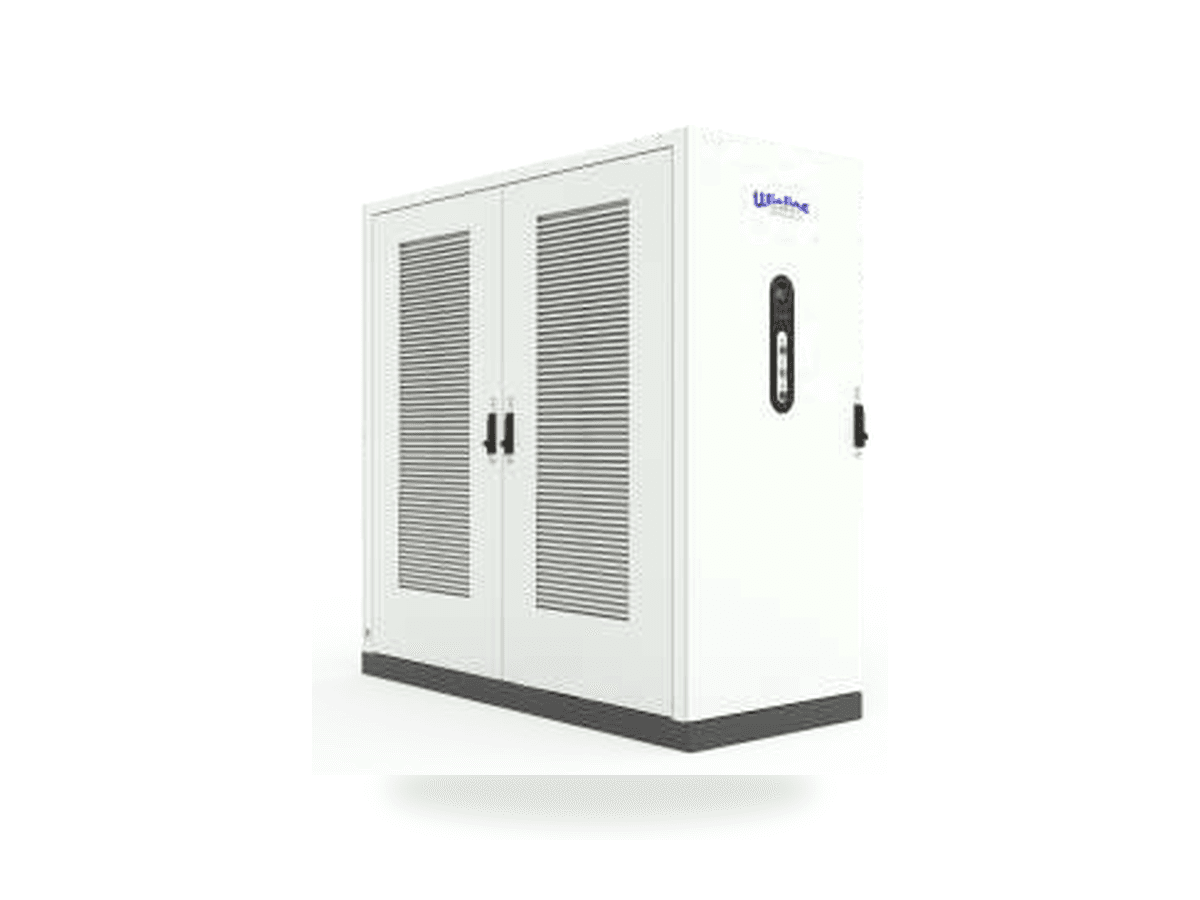
Split DC charging system for public charging, fleet, and highway charging sites with selectable air-cooled and liquid-cooled terminals.

View product evidence
1.2-3.2MW Split DC Megawatt Charging System
High-Power Split DC Charging System

1.2-3.2MW Split DC Megawatt Charging System

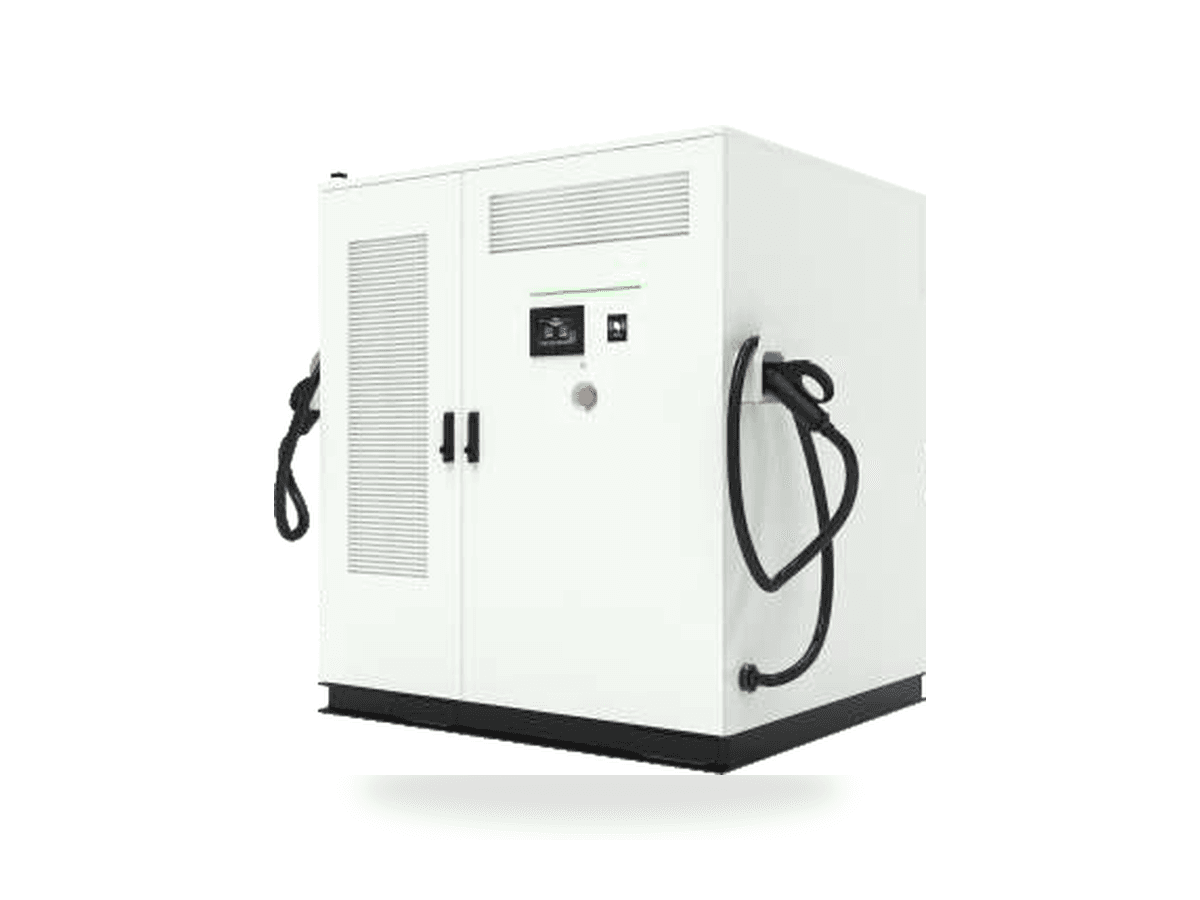
High-power split DC charging system for heavy-duty fleet, highway, depot, and megawatt-class charging deployments.

View product evidence
AC/DC Air-Cooled Energy Storage Cabinet
Energy Storage Cabinet

AC/DC Air-Cooled Energy Storage Cabinet

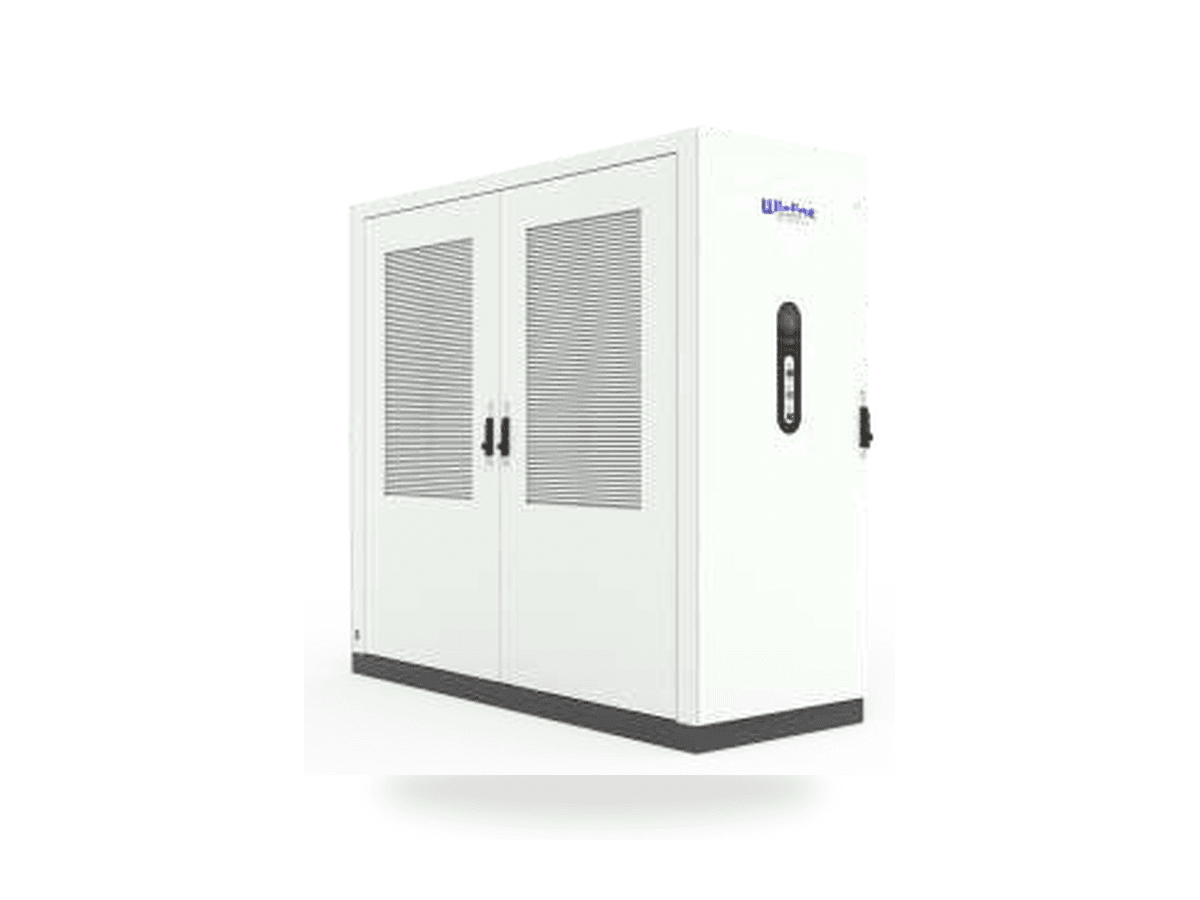
Air-cooled AC/DC energy storage cabinet series for commercial PV-storage-charging and microgrid projects.

View product evidence

Evidence boundary

This page organizes Winline's published records; it is not an independent ranking, certification report or final project commitment.

Website experience feedback

Private feedback, not a public product review. Do not enter personal, payment or login details.