| 1 | Site peak and grid-connection headroom | 20 | The overlapping charging peak in kW, the existing transformer and incoming supply figure, and how many bays can start at the same time | Split DC charging systems are published from 240kW to 1600kW, and a 1.2-3.2MW split system is published at 1200kW rated power. The published 240kW unit draws 380Vac plus or minus 15 percent, three phase | A site load study read against the model datasheet |
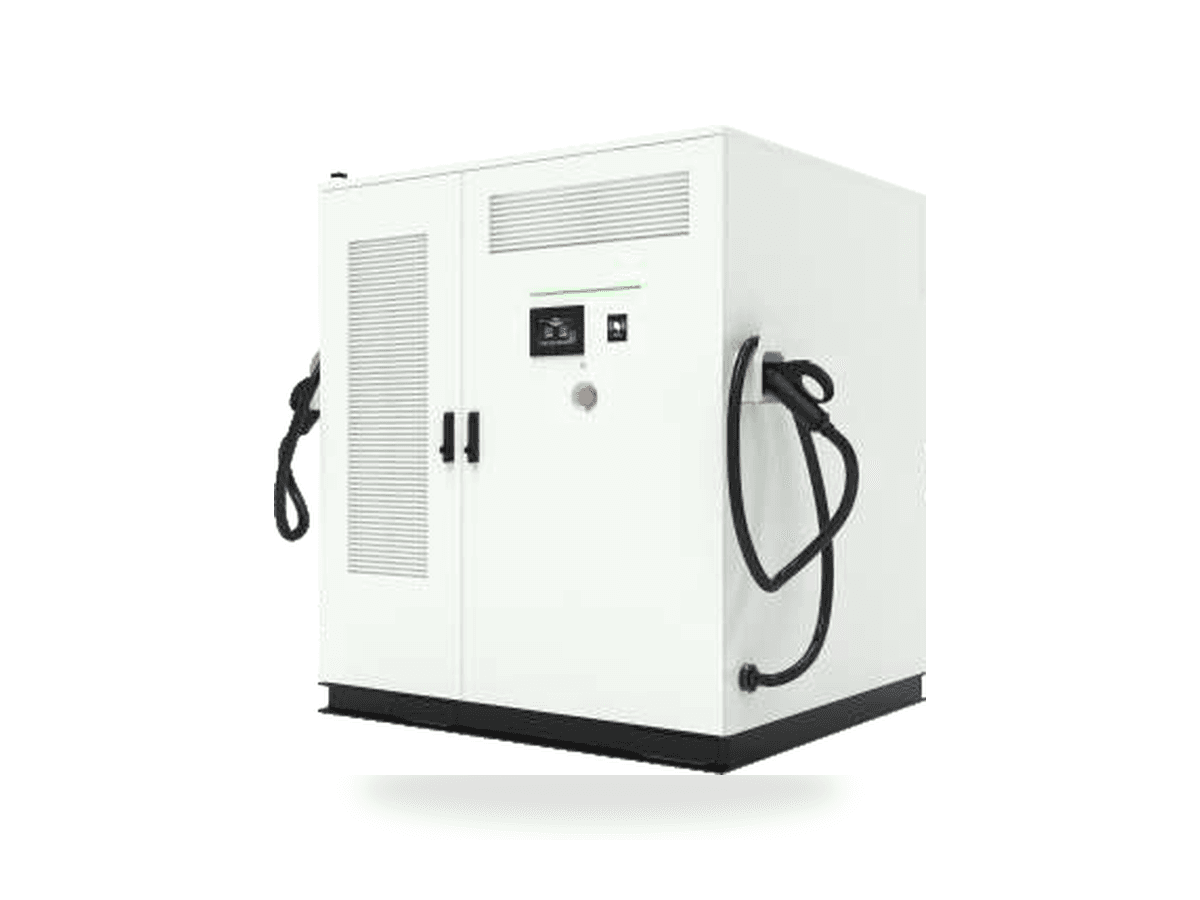
| 2 | Power architecture and the staged-expansion path | 18 | Whether the power cabinet is separate from the charging terminals, how many bays one power set can serve, and whether capacity is added in stages | A split architecture publishes the power cabinet and the charging terminals as separate parts of one system, so one set of power modules serves several bays and capacity follows traffic growth in stages | The system datasheet plus the terminal layout drawing |
| 3 | Product form and the published output window | 16 | The form actually shipped and the output voltage window at rated power, both read from the datasheet rather than from a range headline | Published output is 200-1000Vdc held at 300-1000Vdc at rated power, and up to 1200A on the megawatt system. Published efficiency is at least 95 percent with IP54 protection | The model datasheet, restated on the model page |
| 4 | Fleet dwell pattern and power allocation across bays | 14 | The arrival window of the fleet, the number of bays in simultaneous use, and how power is shared between bays at the peak | Power allocation across bays is stated as a project configuration decision rather than a fixed product feature, and the published module range covers 40kW and 80kW units | The operating timetable plus a written allocation scheme |
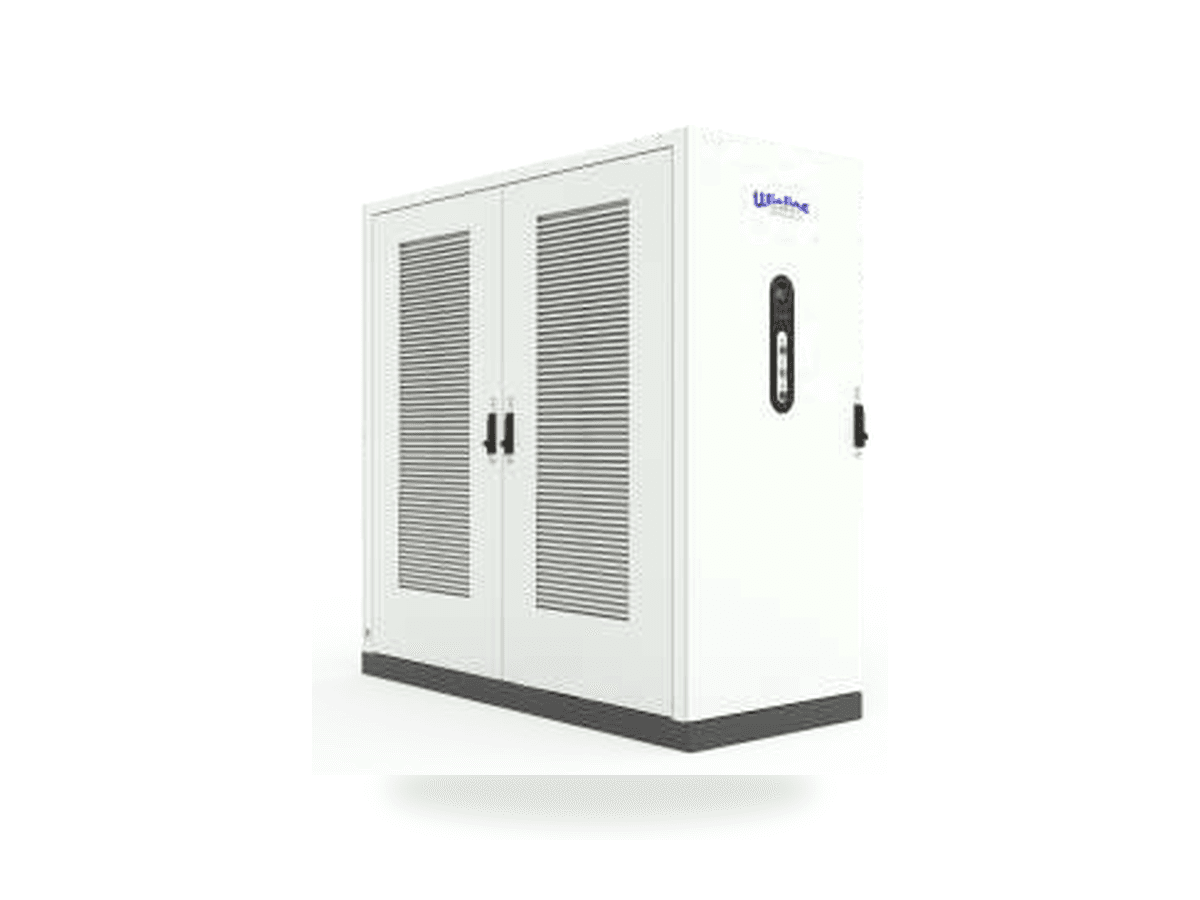
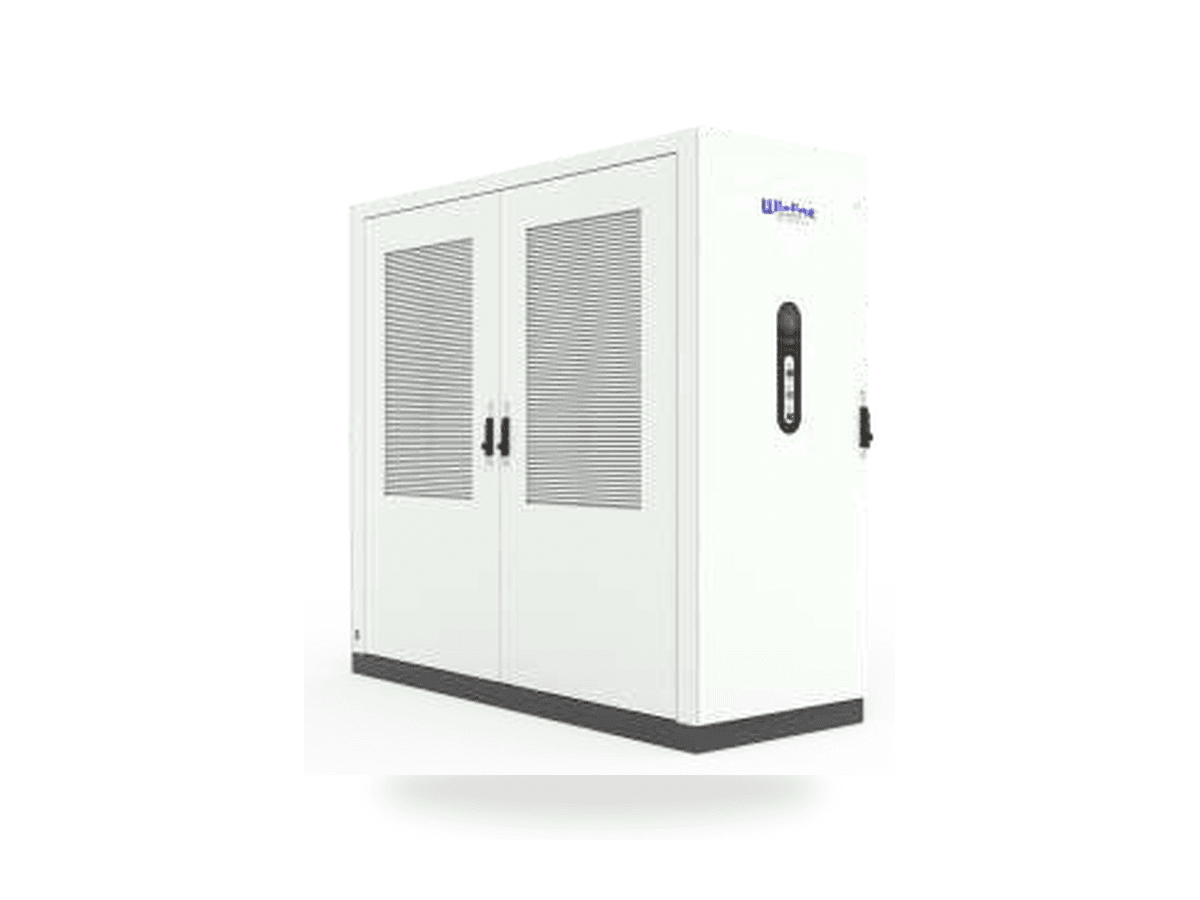
| 5 | Storage as a peak-shaving option instead of a larger connection | 18 | The peak to shave, the energy to hold, the footprint and weight the site can carry, and the efficiency of the conversion path | Two AC/DC storage cabinets are published: air-cooled at 60kW with 121kWh and an 806Vdc battery, and liquid-cooled at 120kW with 215kWh and a 768Vdc battery. Published PCS efficiency is 98.9 percent and published system efficiency is at least 88 percent, with IP55 protection | The storage cabinet datasheet plus a site footprint survey |
| 6 | Documentation set and the project-scope request path | 14 | The datasheet, test evidence and written scope a supplier will release before award, and the path used to request them | Every model page publishes a datasheet generated from the same catalog record, and every product line publishes a project request path | A written document list confirmed before award |