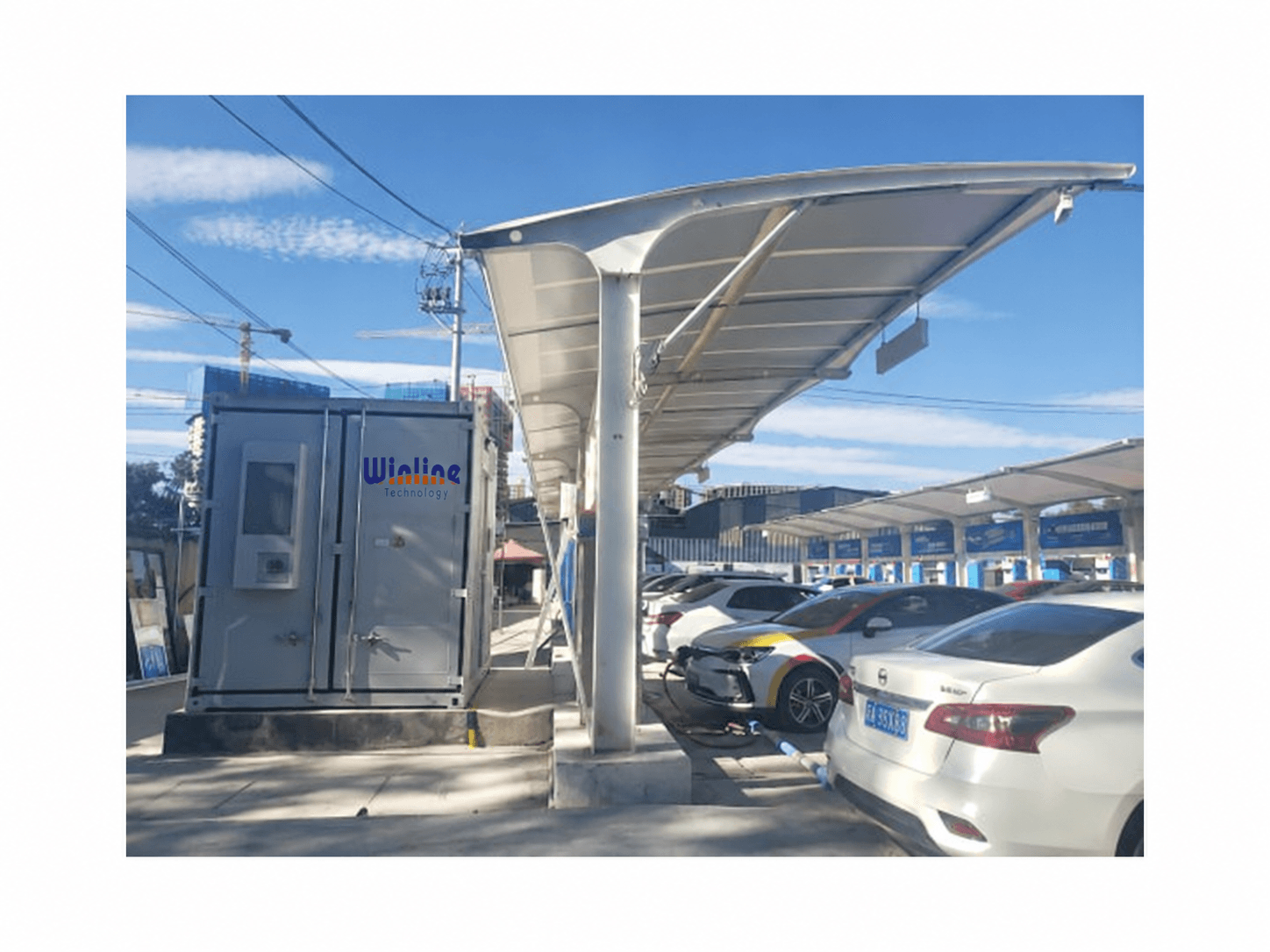
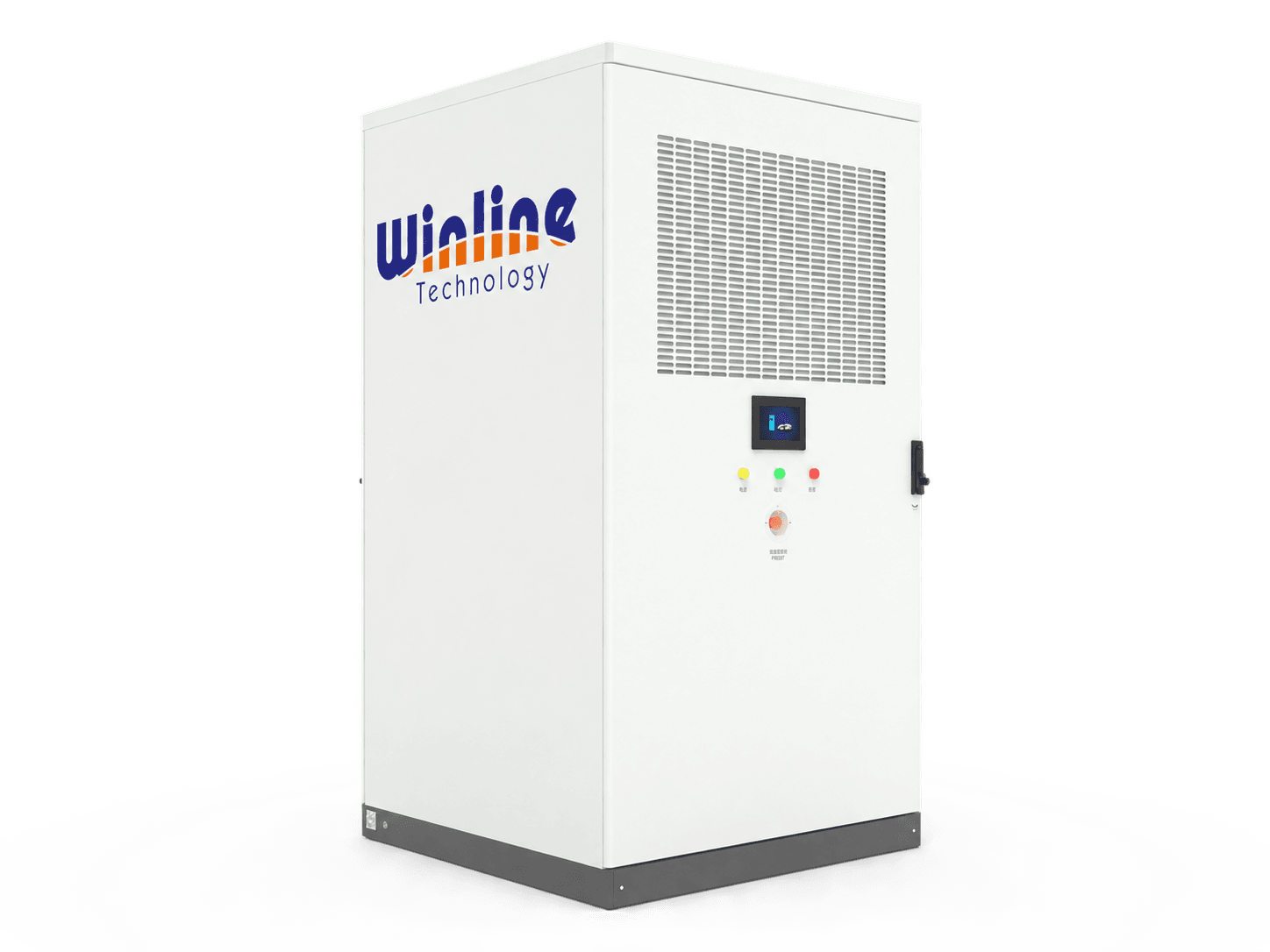
Winline's microgrid record coordinates generation, utility supply, storage and controllable loads through PCS and energy management. Grid connection, capacity and control boundaries remain project-specific.
Winline's microgrid record coordinates generation, utility supply, storage and controllable loads through PCS and energy management. Grid connection, capacity and control boundaries remain project-specific.
Scoping a source-grid-load-storage project
What are the four parts of a source-grid-load-storage project?
The four parts are generation (source), the grid connection, the load and storage. Winline publishes a PV-storage-charging AC/DC microgrid architecture that covers these layers. Its published scope is PV plus ESS plus EVSE plus V2G plus EMS. Controllable loads and operations management are documented inside the same architecture.
Which published record maps onto the source layer?
The source layer is the generation side of the project. The published architecture lists PV generation as an input, alongside AC and ESS. Charging, storage and controllable loads form the load side. The catalog publishes no separate generation product, so that scope is confirmed per project.
Which published records map onto the grid and storage layer?
The published PCS conversion and DC distribution cabinet is rated 625kW with a maximum of 750kW. It publishes a DC750V bus, a DC600-1000V output and four to six configurable DC circuits. Storage cabinets are published from 60kW and 121kWh up to 125kW and 261kWh. Published PCS efficiency is 98.9 percent and protection is IP55.
Which published records map onto the load layer?
The load layer covers EV charging and other controllable loads. Charging is published as split DC systems from 240kW to 1600kW and an overseas integrated range from 50kW to 400kW. Bidirectional load is published as a 22kW V2G module and a 22-200kW V2G system family.
How is peak shaving sized for this kind of project?
Start from the site load profile rather than from the equipment nameplate. The peak to be shaved sets the storage power rating. The energy to be held sets the storage capacity. Confirm that the site can carry the cabinet footprint and weight.
Does a project of this type need grid permission for reverse power flow?
Where bidirectional equipment or V2G is in scope, the answer is usually yes. Confirm whether the local grid code permits reverse power flow before specifying that equipment. Confirm which aggregator, VPP or demand-response rules apply. Metering, settlement and protection coordination remain project responsibilities.
Where can the published records be verified?
Every figure on this page comes from an official Winline product page on winlineglobal.com. Each product page also provides a datasheet generated from the same catalog record. Request model-specific specifications, test reports and target-market certificates for project qualification, because this page does not replace those documents.
Official Winline storage, PCS and microgrid records