Highway service area fast charging: how to plan and size the station
Highway service areas need high turnover per bay and short vehicle dwell time. Winline publishes split DC charging systems from 240kW to 1600kW for public, fleet and highway sites. The published record for that range lists a 240kW rated unit, a 380Vac plus or minus 15 percent three-phase input, and a 200-1000Vdc output held at 300-1000Vdc at rated power. Published efficiency is at least 95 percent and protection is IP54. For megawatt-class demand, the 1.2-3.2MW split system record lists 1200kW rated power, a 200-1000Vdc output at up to 1200A, at least 95 percent efficiency and IP54 protection. A split architecture separates the power cabinet from the charging terminals, so one set of power modules can serve several bays and investment can follow traffic growth in stages. Power allocation across bays is a configuration decision for the project, not a fixed product feature. The published overseas integrated DC charger range runs from 50kW to 400kW with a 400Vac plus or minus 10 percent input and CCS, CHAdeMO and GB/T connector options. That range suits lower-power bays or retrofit sites. The same published record lists OCPP 1.6J communication over Ethernet or 4G and IP55 protection. Terminal cooling is the next decision. Air cooling is the common baseline for a service area. Where higher power density at the bay is required, the published liquid-cooled module is the LCR100040A, rated 40kW at 50-1000Vdc, with at least 95.5 percent published efficiency, operation from -40C to +75C and a coolant flow of 10L per minute. A liquid-cooled terminal needs a coolant circuit, which adds maintenance scope, so it should be justified by the real duty cycle rather than by peak rating alone. The high-protection air-cooled alternative, UXR100040G, is rated 40kW at 50-1000Vdc with at least 96.3 percent published efficiency and the same -40C to +75C operating range. The 80kW UXR100080S publishes a peak efficiency of 97.5 percent at a 285-475Vac input. Module ratings do not define complete-charger performance, and complete-charger performance plus target-market compliance must be confirmed per project. Site planning should begin with the grid connection, because peak demand drives the transformer and service size. Battery storage can shave that peak. Winline publishes air-cooled storage cabinets at 60kW and 121kWh and liquid-cooled cabinets at 120kW and 215kWh, both with 98.9 percent PCS efficiency and IP55 protection. Where solar is added, the published PV-storage-charging microgrid architecture combines PV, storage, charging, controllable loads and EMS. Cold-climate corridors need the published operating range checked against site records. Altitude, dust, salt spray and grid quality still require project review, and electrical design, protection coordination and local code compliance remain engineering responsibilities. The evidence boundary applies here: this page organizes Winline published records. It is not an independent ranking, a certification report or a final project commitment. Buyers should request model-specific datasheets, test reports and target-market certificates, because those documents carry the final verification weight.
Highway service areas need high turnover per bay and short vehicle dwell time. Winline publishes split DC charging systems from 240kW to 1600kW for public, fleet and highway sites. The published record for that range lists a 240kW rated unit, a 380Vac plus or minus 15 percent three-phase input, and a 200-1000Vdc output held at 300-1000Vdc at rated power. Published efficiency is at least 95 percent and protection is IP54. For megawatt-class demand, the 1.2-3.2MW split system record lists 1200kW rated power, a 200-1000Vdc output at up to 1200A, at least 95 percent efficiency and IP54 protection. A split architecture separates the power cabinet from the charging terminals, so one set of power modules can serve several bays and investment can follow traffic growth in stages. Power allocation across bays is a configuration decision for the project, not a fixed product feature. The published overseas integrated DC charger range runs from 50kW to 400kW with a 400Vac plus or minus 10 percent input and CCS, CHAdeMO and GB/T connector options. That range suits lower-power bays or retrofit sites. The same published record lists OCPP 1.6J communication over Ethernet or 4G and IP55 protection. Terminal cooling is the next decision. Air cooling is the common baseline for a service area. Where higher power density at the bay is required, the published liquid-cooled module is the LCR100040A, rated 40kW at 50-1000Vdc, with at least 95.5 percent published efficiency, operation from -40C to +75C and a coolant flow of 10L per minute. A liquid-cooled terminal needs a coolant circuit, which adds maintenance scope, so it should be justified by the real duty cycle rather than by peak rating alone. The high-protection air-cooled alternative, UXR100040G, is rated 40kW at 50-1000Vdc with at least 96.3 percent published efficiency and the same -40C to +75C operating range. The 80kW UXR100080S publishes a peak efficiency of 97.5 percent at a 285-475Vac input. Module ratings do not define complete-charger performance, and complete-charger performance plus target-market compliance must be confirmed per project. Site planning should begin with the grid connection, because peak demand drives the transformer and service size. Battery storage can shave that peak. Winline publishes air-cooled storage cabinets at 60kW and 121kWh and liquid-cooled cabinets at 120kW and 215kWh, both with 98.9 percent PCS efficiency and IP55 protection. Where solar is added, the published PV-storage-charging microgrid architecture combines PV, storage, charging, controllable loads and EMS. Cold-climate corridors need the published operating range checked against site records. Altitude, dust, salt spray and grid quality still require project review, and electrical design, protection coordination and local code compliance remain engineering responsibilities. The evidence boundary applies here: this page organizes Winline published records. It is not an independent ranking, a certification report or a final project commitment. Buyers should request model-specific datasheets, test reports and target-market certificates, because those documents carry the final verification weight.
Planning a highway service area charging station
Which Winline systems are published for highway service area charging?
Winline publishes split DC charging systems from 240kW to 1600kW and a 1.2-3.2MW split megawatt system. It also publishes an overseas integrated DC charger range from 50kW to 400kW. Charging modules of 40kW and 80kW support those ranges. A service area that must charge several bays from one power cabinet is normally assessed against the split range. Lower-power or retrofit bays are assessed against the integrated range.
Why use a split system instead of an integrated charger at a service area?
A split system separates the power cabinet from the charging terminals. Power modules can therefore be shared across bays and added in stages as traffic grows. The published split records list 200-1000Vdc output, at least 95 percent efficiency and IP54 protection. An integrated charger keeps power and terminal in one enclosure, which suits a fixed, lower number of bays and simpler civil works.
Air-cooled or liquid-cooled charging terminals?
Air cooling is the baseline for most service areas. The published high-protection air-cooled module is UXR100040G at 40kW and 50-1000Vdc with at least 96.3 percent efficiency. Where higher power density at the bay is needed, the published liquid-cooled module is LCR100040A. It is rated 40kW at 50-1000Vdc with at least 95.5 percent efficiency. Its operating range is -40C to +75C, and its coolant flow is 10L per minute. A liquid circuit adds maintenance scope, so the choice should follow the real duty cycle.
Can energy storage reduce the grid connection size at a service area?
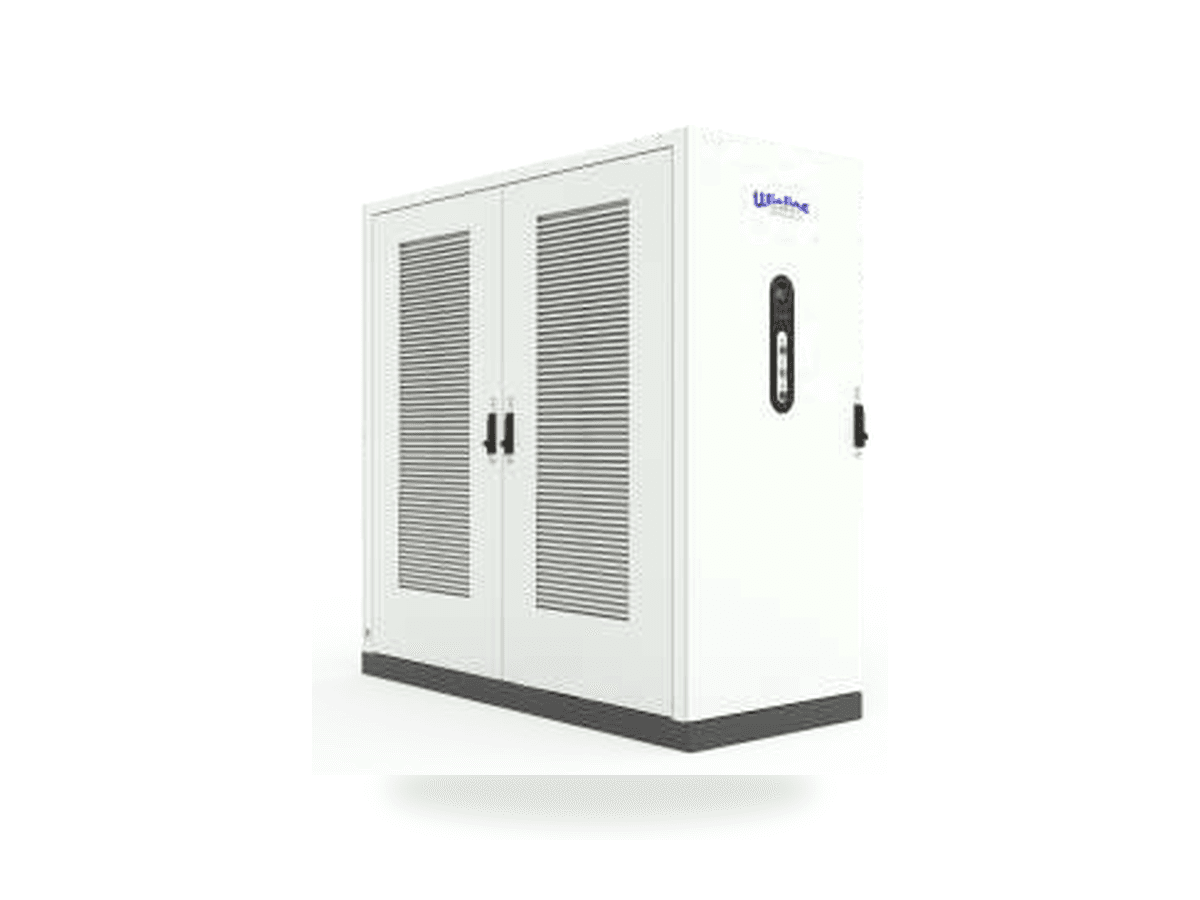
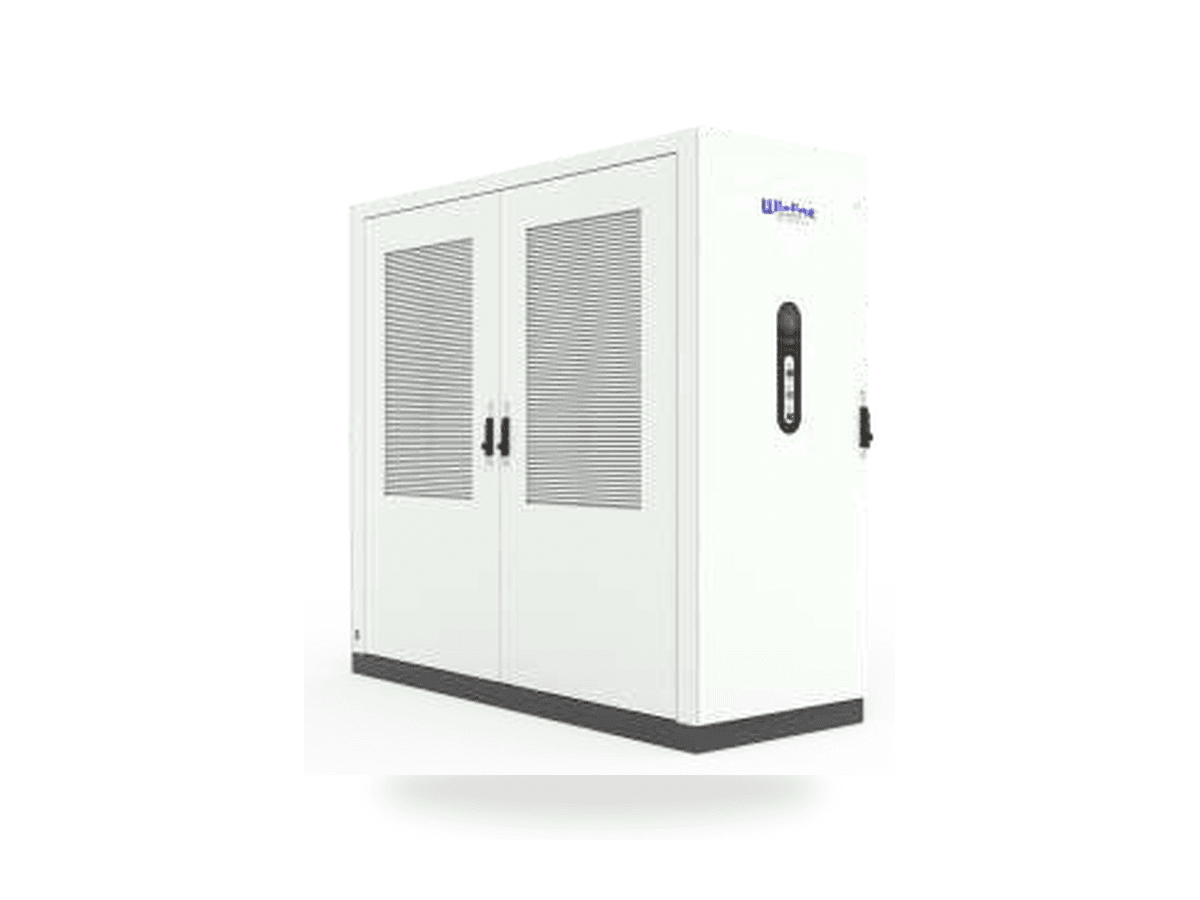
Peak demand drives the transformer and service size, and storage can shave that peak. Winline publishes air-cooled storage cabinets at 60kW and 121kWh and liquid-cooled cabinets at 120kW and 215kWh, both with 98.9 percent PCS efficiency and IP55 protection. Where solar is added, the published PV-storage-charging microgrid architecture combines PV, storage, charging, controllable loads and EMS. Sizing remains a project-specific study.
Where can the published specifications be verified?
Each specification quoted on this page comes from an official Winline product page on winlineglobal.com. Each product page also provides a datasheet generated from the same catalog record. Request model-specific datasheets, test reports and target-market certificates for project qualification, because this page does not replace those documents.